
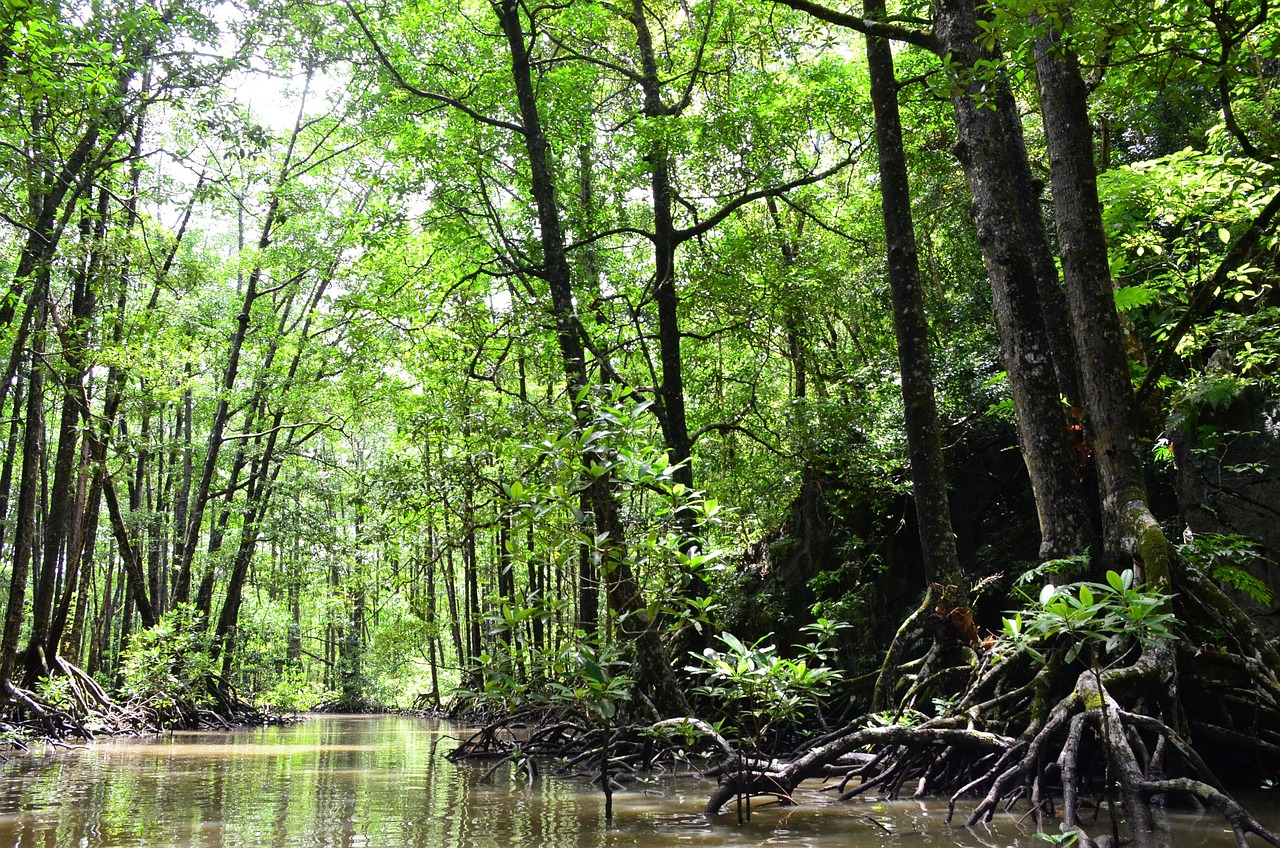
Preserving Coastal Biodiversity: The Critical Role of Miami’s Mangrove Ecosystems
Discover the vital role of Miami’s mangrove ecosystems in preserving coastal biodiversity. These unique habitats protect shorelines, support diverse wildlife, and enhance water quality. Explore how conserving these crucial mangroves not only safeguards marine life but also boosts local economies. Join us in protecting Miami’s mangrove ecosystems for future generations!
Preserving Coastal Biodiversity: The Critical Role of Miami’s Mangrove Ecosystems
Miami’s coastal ecosystems are a treasure trove of biodiversity, and among these, mangrove forests stand out as vital contributors to environmental health and stability. Preserving Coastal Biodiversity: The Critical Role of Miami’s Mangrove Ecosystems is not just a catchy phrase; it encapsulates the essential functions these unique habitats serve. From providing shelter to a diverse array of wildlife to acting as natural buffers against storms, mangroves are indispensable to Miami’s ecological balance.
The Importance of Mangrove Ecosystems
Mangrove forests are a unique type of coastal ecosystem found in tropical and subtropical regions around the world. In Miami, these ecosystems are critical for multiple reasons:
- Habitat for Wildlife: Mangroves provide breeding grounds and habitat for numerous species, including fish, birds, and crustaceans.
- Storm Protection: The dense root systems of mangroves help reduce wave energy, protecting coastal communities from storm surges and erosion.
- Carbon Sequestration: Mangrove trees absorb significant amounts of carbon dioxide, helping to mitigate climate change.
- Water Filtration: These ecosystems filter pollutants from water, improving water quality in coastal areas.
Threats to Mangrove Ecosystems
Despite their importance, mangrove ecosystems in Miami face numerous threats. Urban development, pollution, climate change, and rising sea levels are all contributing factors to the degradation of these vital habitats. As coastal real estate demands increase, the push for development often encroaches on mangrove areas, leading to habitat loss and increased vulnerability for local wildlife.
Local Attractions and Events Celebrating Coastal Conservation
Miami offers various attractions and events that showcase the beauty and importance of its coastal ecosystems, particularly its mangroves:
- Bill Baggs Cape Florida State Park: A beautiful park featuring scenic views of the coastal landscape, where visitors can explore mangrove trails and enjoy birdwatching.
- Everglades National Park: This UNESCO World Heritage site is home to diverse ecosystems, including mangroves. Guided tours educate visitors on their importance in the region’s biodiversity.
- Miami EcoAdventures: Offering eco-tours, this organization provides opportunities to explore Miami’s mangroves while learning about their ecological significance.
- Marine Science Day: An annual event typically held at the Miami Seaquarium, where families can engage in activities focused on marine conservation and the role of coastal ecosystems.
- Coral Gables’ Earth Day Festival: A community celebration featuring activities and workshops centered around environmental awareness, including the importance of preserving mangroves.
- Florida Keys Mangrove Tunnel Kayak Tour: A guided kayaking experience through the mangroves, offering a unique way to observe local wildlife and learn about mangrove ecosystems.
Community Involvement in Conservation
Community involvement is essential for the preservation of Miami’s mangrove ecosystems. Local organizations and volunteers often participate in cleanup events, replanting initiatives, and educational programs aimed at raising awareness about the significance of mangroves. By fostering a sense of stewardship among residents, Miami can better safeguard its coastal biodiversity.
Future Strategies for Preservation
The future of Miami’s mangrove ecosystems relies on implementing effective conservation strategies. This includes:
- Strengthening Regulations: Enforcing strict regulations against development in sensitive coastal areas.
- Restoration Projects: Initiatives aimed at restoring degraded mangrove areas through replanting and habitat enhancement.
- Public Education: Increasing awareness about the ecological and economic benefits of mangroves among residents and visitors alike.
Conclusion
In summary, Preserving Coastal Biodiversity: The Critical Role of Miami’s Mangrove Ecosystems cannot be overstated. These ecosystems are not merely scenic landscapes; they are crucial for maintaining biodiversity, protecting against climate change, and supporting local economies. As Miami continues to grow, it is imperative that we prioritize the protection and restoration of our mangrove forests to ensure a sustainable future for both nature and the community.
Keywords: mangrove ecosystems, coastal biodiversity, Miami mangroves, preserving biodiversity, coastal conservation, mangrove protection, ecological importance, wildlife habitat, sustainable ecosystems, coastal resilience, marine life, habitat restoration, Miami’s coastal environment, biodiversity preservation, mangrove conservation
latest news


news via inbox
Stay Connected

The Honorable Paul J. Tonna is a distinguished public servant, community advocate, and seasoned leader with a career marked by dedication to environmental sustainability, social equity, and community development. Serving as a Suffolk County Legislator for twelve years, including three years as Presiding Officer, Tonna played a pivotal role in advancing public health, environmental conservation, and workforce housing initiatives… Read More
Learn more about Paul Tonna at his website PaulTonna.com
