
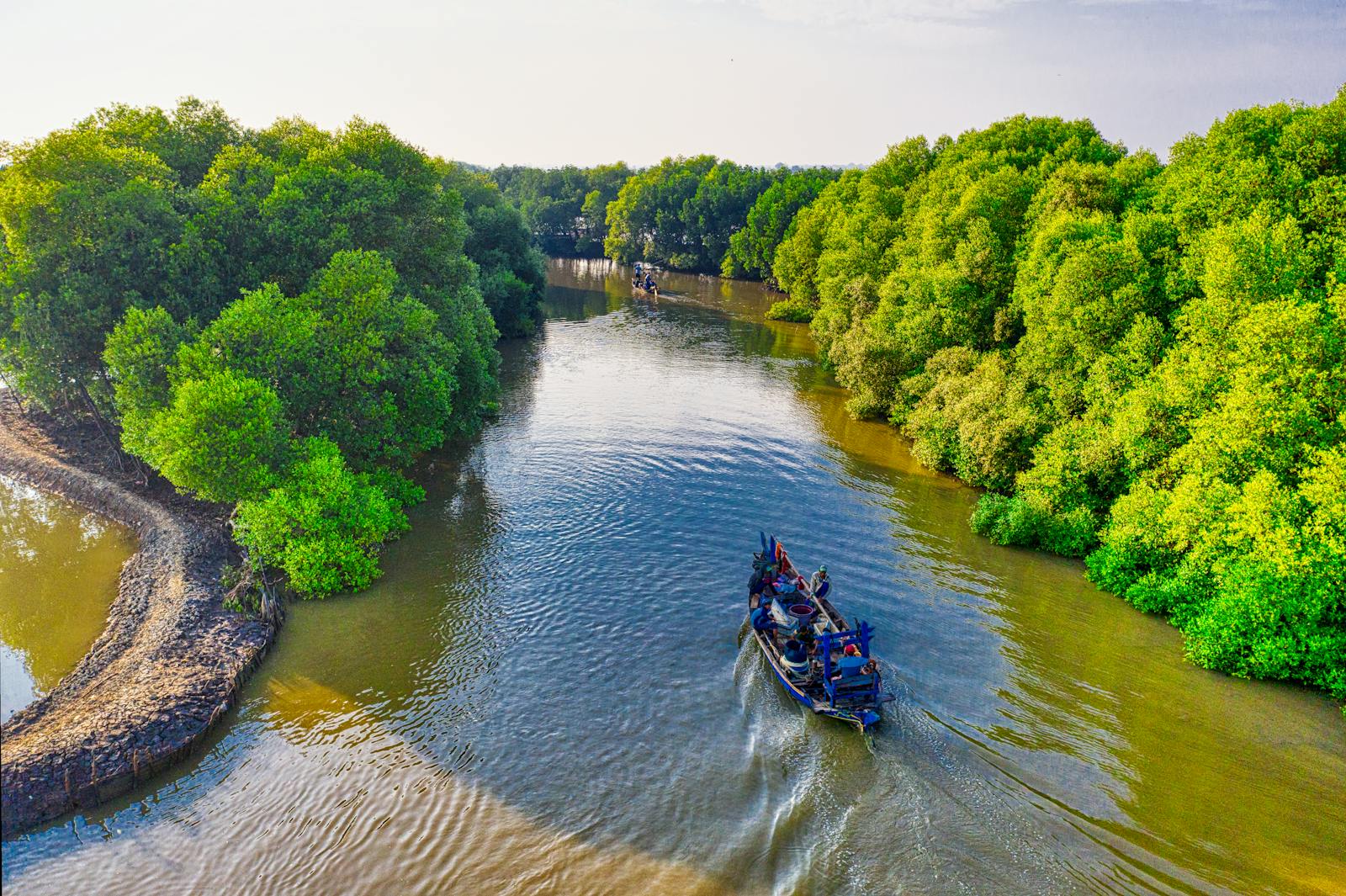
How Mangrove Ecosystems Support Coastal Resilience in Miami’s Environment
Discover how mangrove ecosystems bolster coastal resilience in Miami’s environment. These vital habitats protect shorelines, mitigate flooding, and enhance biodiversity. By preserving and restoring mangroves, we can strengthen Miami’s defenses against climate change and ensure a sustainable future for our coastal communities. Explore more!
How Mangrove Ecosystems Support Coastal Resilience in Miami’s Environment
Miami, renowned for its beautiful beaches and vibrant culture, is also home to vital mangrove ecosystems. These unique habitats play an essential role in enhancing coastal resilience, protecting the city against the impacts of climate change, such as rising sea levels and increased storm intensity. Understanding how mangrove ecosystems support coastal resilience in Miami’s environment is crucial for both conservation efforts and urban planning.
The Role of Mangroves in Coastal Protection
Mangroves act as natural barriers against storm surges and coastal erosion. Their intricate root systems stabilize shorelines and reduce wave energy, making them crucial in mitigating damage during hurricanes and tropical storms. In Miami, where the threat of coastal flooding is ever-present, preserving and restoring these ecosystems becomes vital for community safety.
Carbon Sequestration and Climate Mitigation
Another significant benefit of mangrove ecosystems is their ability to sequester carbon. These ecosystems store large amounts of carbon dioxide, helping to mitigate climate change effects. In fact, mangroves can store up to four times more carbon than terrestrial forests, making them essential allies in the fight against global warming. Miami’s commitment to sustainability will benefit greatly by recognizing the importance of how mangrove ecosystems support coastal resilience in Miami’s environment.
Supporting Biodiversity
Mangroves serve as vital habitats for various marine and terrestrial species, promoting biodiversity. Fish, birds, and invertebrates thrive in these ecosystems, creating a rich tapestry of life. This biodiversity not only enhances the ecological health of the region but also supports local fishing industries, contributing to Miami’s economy.
Community Engagement and Education
Engaging the community in mangrove conservation efforts is crucial for long-term sustainability. Educational programs and volunteer opportunities empower residents to participate actively in preserving these critical ecosystems. The more Miamians understand the benefits of mangroves, the more likely they are to advocate for their protection. Local organizations often hold events to raise awareness and promote conservation.
Local Attractions and Events in Miami
- Everglades National Park: Discover the beauty of this UNESCO World Heritage Site, where you can enjoy airboat rides, wildlife spotting, and guided tours.
- Bill Baggs Cape Florida State Park: Explore the historic lighthouse and relax on the beach while appreciating the surrounding mangrove habitats.
- Miami Seaquarium: This marine-life entertainment park features exhibits and shows focusing on ocean conservation and local marine life.
- Fairchild Tropical Botanic Garden: Experience a diverse array of plants and learn about their ecological importance through various events and workshops.
- Mangroves and Manatees Kayak Tour: Join a guided kayak tour through Miami’s mangroves and observe the local wildlife up close.
Collaborative Efforts for Conservation
Local governments, non-profit organizations, and community members are increasingly collaborating to protect and restore mangrove ecosystems. Initiatives such as planting drives and habitat restoration projects not only bolster biodiversity but also enhance coastal resilience. By working together, Miami can see tangible improvements in environmental health and community safety.
Looking Ahead: The Future of Mangroves in Miami
As Miami continues to grow, the importance of how mangrove ecosystems support coastal resilience in Miami’s environment will only become more pronounced. Continued investment in these natural systems is essential for the city’s future. By prioritizing the protection of mangroves, Miami can safeguard its communities and natural resources against the challenges of climate change.
Keywords: mangrove ecosystems, coastal resilience, Miami environment, mangrove benefits, coastal protection, biodiversity, flood mitigation, habitat restoration, climate change adaptation, shoreline stabilization, water quality improvement, wildlife refuge, storm surge buffering, ecological balance, sustainable development


news via inbox
Stay Connected

The Honorable Paul J. Tonna is a distinguished public servant, community advocate, and seasoned leader with a career marked by dedication to environmental sustainability, social equity, and community development. Serving as a Suffolk County Legislator for twelve years, including three years as Presiding Officer, Tonna played a pivotal role in advancing public health, environmental conservation, and workforce housing initiatives… Read More
Learn more about Paul Tonna at his website PaulTonna.com
