
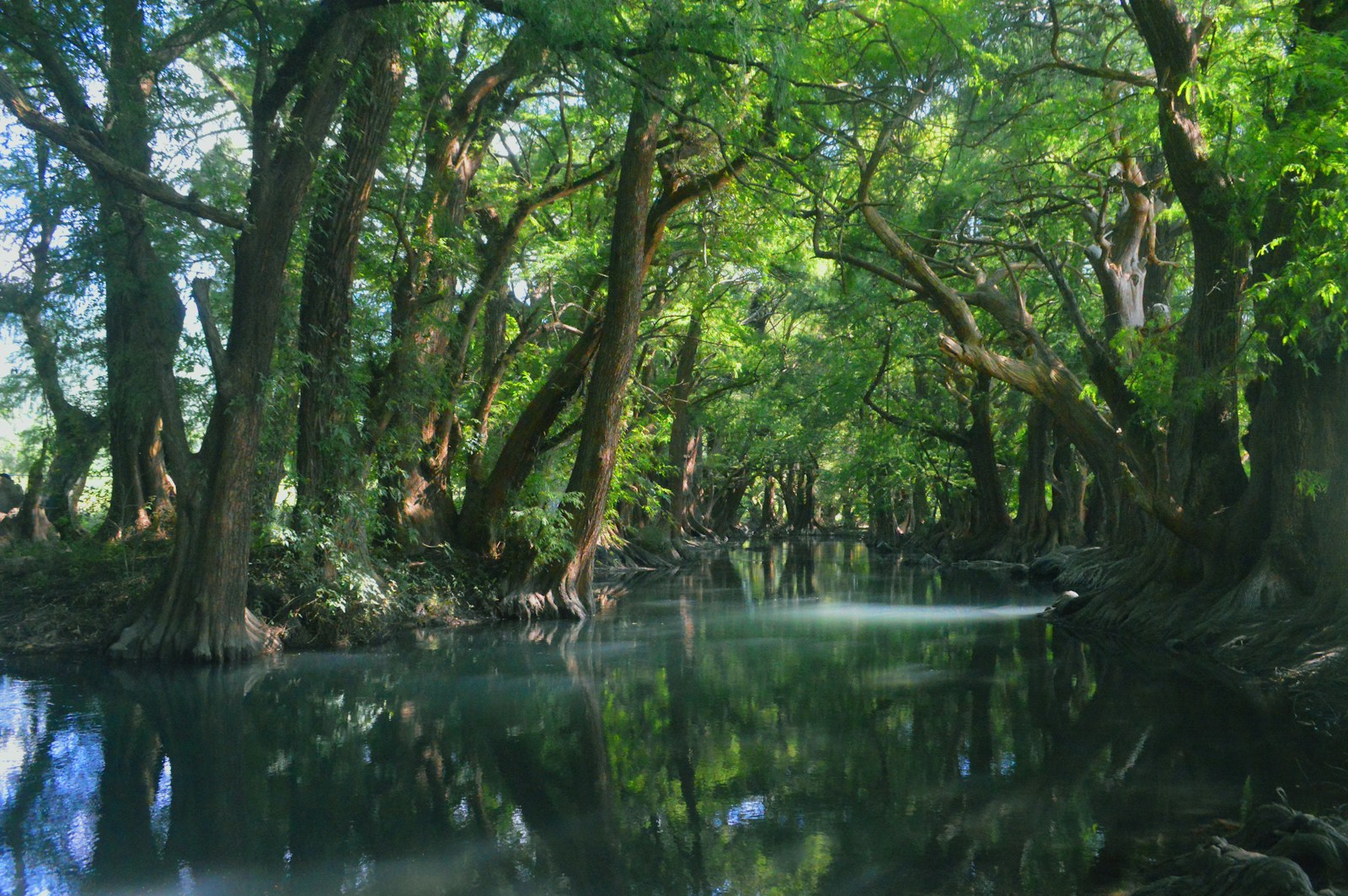
The Role of Mangrove Ecosystems in Enhancing Coastal Resilience in Miami
Discover the vital role of mangrove ecosystems in enhancing coastal resilience in Miami. These natural barriers protect shorelines from erosion, reduce storm impact, and support biodiversity. By preserving and restoring mangroves, we can strengthen Miami’s defenses against climate change and boost local ecosystems. Explore how mangroves make a difference!
The Role of Mangrove Ecosystems in Enhancing Coastal Resilience in Miami
Miami, a vibrant city known for its stunning beaches and bustling nightlife, also plays host to a hidden natural treasure: mangrove ecosystems. These coastal forests, often overlooked, are vital in enhancing coastal resilience in Miami, providing a multitude of ecological, economic, and social benefits. Understanding the role of mangrove ecosystems in enhancing coastal resilience in Miami is essential for preserving not only the local environment but also the community’s way of life.
What Are Mangrove Ecosystems?
Mangroves are unique trees and shrubs that thrive in coastal intertidal zones. They are equipped with specialized roots that allow them to survive in salty, murky waters while providing shelter and food for a diverse range of wildlife. In Miami, mangrove ecosystems serve as crucial buffers against storms, flooding, and erosion. They play a significant role in maintaining water quality and supporting marine life, making them invaluable for both ecology and the economy.
Benefits of Mangrove Ecosystems
The role of mangrove ecosystems in enhancing coastal resilience in Miami can be broken down into several key benefits:
- Storm Protection: Mangroves reduce the impact of storm surges and high winds, providing natural barriers that protect coastal communities.
- Erosion Control: The extensive root systems of mangroves stabilize shorelines, preventing soil erosion and preserving land integrity.
- Water Filtration: Mangroves act as natural filters, improving water quality by trapping sediments and absorbing pollutants.
- Habitat for Wildlife: They provide critical habitats for fish, birds, and other species, supporting biodiversity and local fisheries.
- Carbon Sequestration: Mangrove forests store significant amounts of carbon, helping to mitigate climate change impacts.
Community Engagement and Education
Raising awareness about the role of mangrove ecosystems in enhancing coastal resilience in Miami is essential for effective conservation efforts. Local organizations and schools often host educational programs and community events that promote the importance of mangroves. These initiatives not only foster a sense of responsibility but also encourage community involvement in restoration projects that help sustain these vital ecosystems.
Local Attractions and Events
While exploring the importance of mangroves, visitors can also take advantage of Miami’s rich cultural and natural offerings. Here are some notable attractions and events:
- Everglades National Park: Just a short drive from Miami, this UNESCO World Heritage site features expansive wetlands and offers guided tours to witness the unique flora and fauna, including mangroves.
- Bill Baggs Cape Florida State Park: This park offers breathtaking views of the Atlantic Ocean and provides access to mangrove trails where visitors can learn about these ecosystems firsthand.
- Miami Beach Eco Tours: Join a guided boat tour that explores the coastal mangroves and educates participants on their ecological roles.
- Coral Gables Farmers Market: Held every Saturday, this vibrant market showcases local produce and promotes sustainable practices, including awareness of coastal ecosystems.
- Miami Seaquarium: An engaging destination for families, the aquarium features exhibits on marine life and conservation efforts, highlighting the importance of protecting coastal ecosystems.
The Future of Mangrove Conservation in Miami
As climate change poses increasing threats to coastal areas, the need for strong mangrove ecosystems becomes even more urgent. Miami is taking steps to enhance these natural barriers and integrate them into urban planning. Conservation efforts, community engagement, and educational initiatives are all pivotal in ensuring that the role of mangrove ecosystems in enhancing coastal resilience in Miami is recognized and supported.
Conclusion
In conclusion, the significance of mangrove ecosystems in Miami cannot be overstated. Not only do they provide essential protection against environmental threats, but they also enhance the beauty and biodiversity of the region. By appreciating and supporting these vital ecosystems, Miami can foster a sustainable future while ensuring the health of its coastal communities. Get involved, explore the local attractions, and help preserve the natural beauty that defines the Magic City.
Keywords: mangrove ecosystems, coastal resilience, Miami mangroves, coastal protection, ecosystem services, biodiversity conservation, climate change adaptation, habitat restoration, storm surge mitigation, water quality improvement, marine life support, shoreline stabilization, coastal development, environmental sustainability, urban ecology
latest news

news via inbox
Stay Connected

The Honorable Paul J. Tonna is a distinguished public servant, community advocate, and seasoned leader with a career marked by dedication to environmental sustainability, social equity, and community development. Serving as a Suffolk County Legislator for twelve years, including three years as Presiding Officer, Tonna played a pivotal role in advancing public health, environmental conservation, and workforce housing initiatives… Read More
Learn more about Paul Tonna at his website PaulTonna.com
